Our story
From one act of kindness to a worldwide movement
How a returned wallet, a blurry face, and a classroom of foster teens grew into a movement you’re now part of.
Random Opportunities for Kindness (ROK) is the platform behind the global movement of Kindness Worldwide — a 501(c)(3) nonprofit built to encourage, recognize, and grow kindness at a time the world badly needs it.
It started on Good Friday morning, 2023. A stranger returned a lost wallet to its owner, Kevin Smith, moments after he realized it was gone. One small act between two strangers — and the ripples haven’t stopped spreading since.
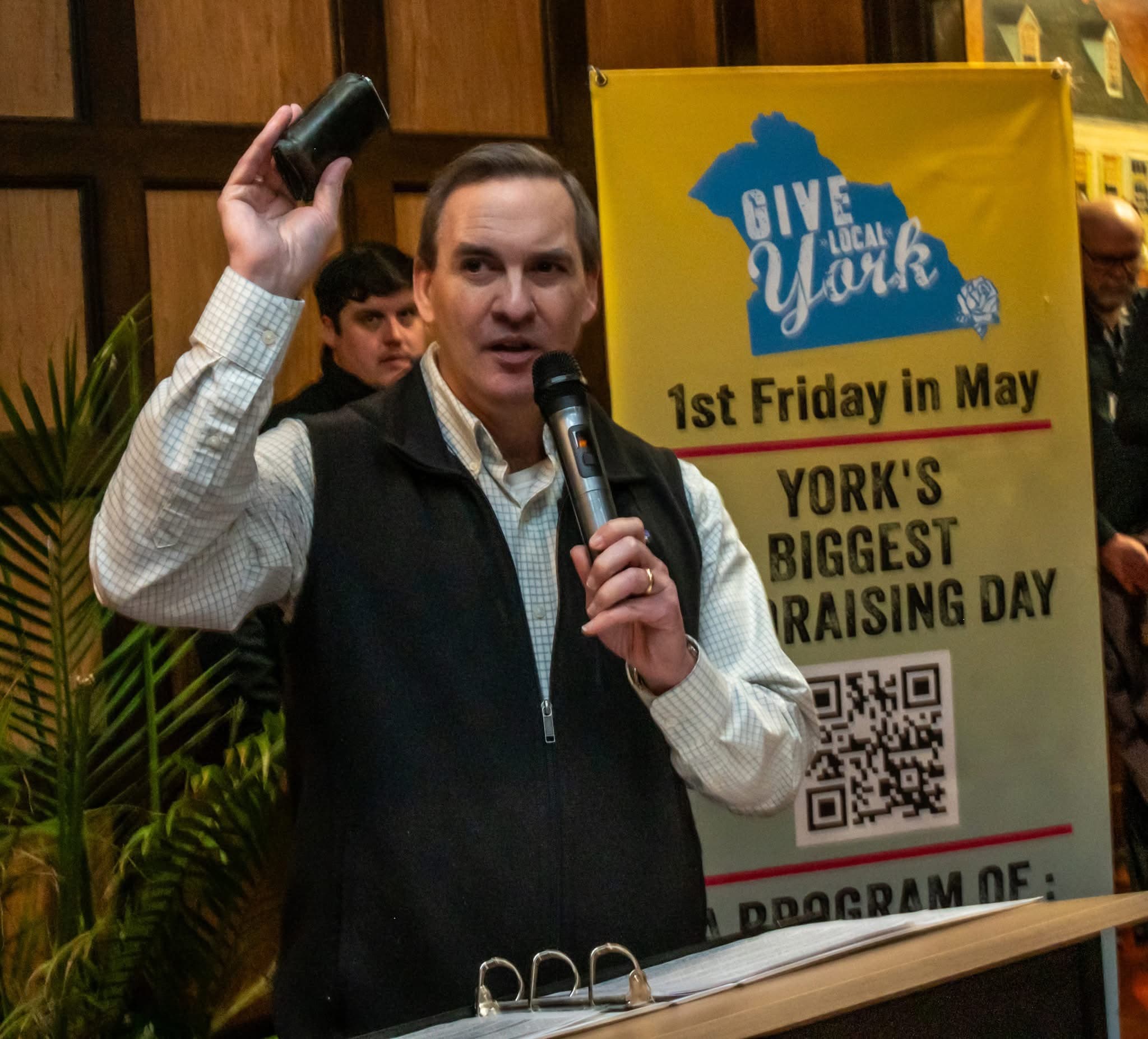
The blurry face
A Ring doorbell camera caught the whole thing. A local news station ran the story, and it went viral — but the woman’s face was blurred out, because no one yet knew who she was.
Kevin tracked her down through a Facebook search. Her name was Brooke Dubs, and her humility floored him. One thing she said stuck with him.
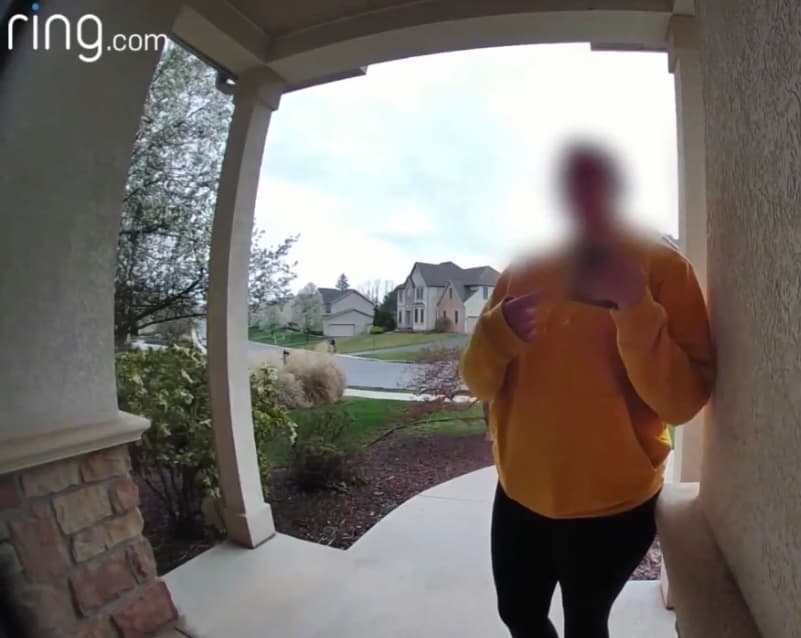
“I’m just the blurry face.”
No longer “just the blurry face”
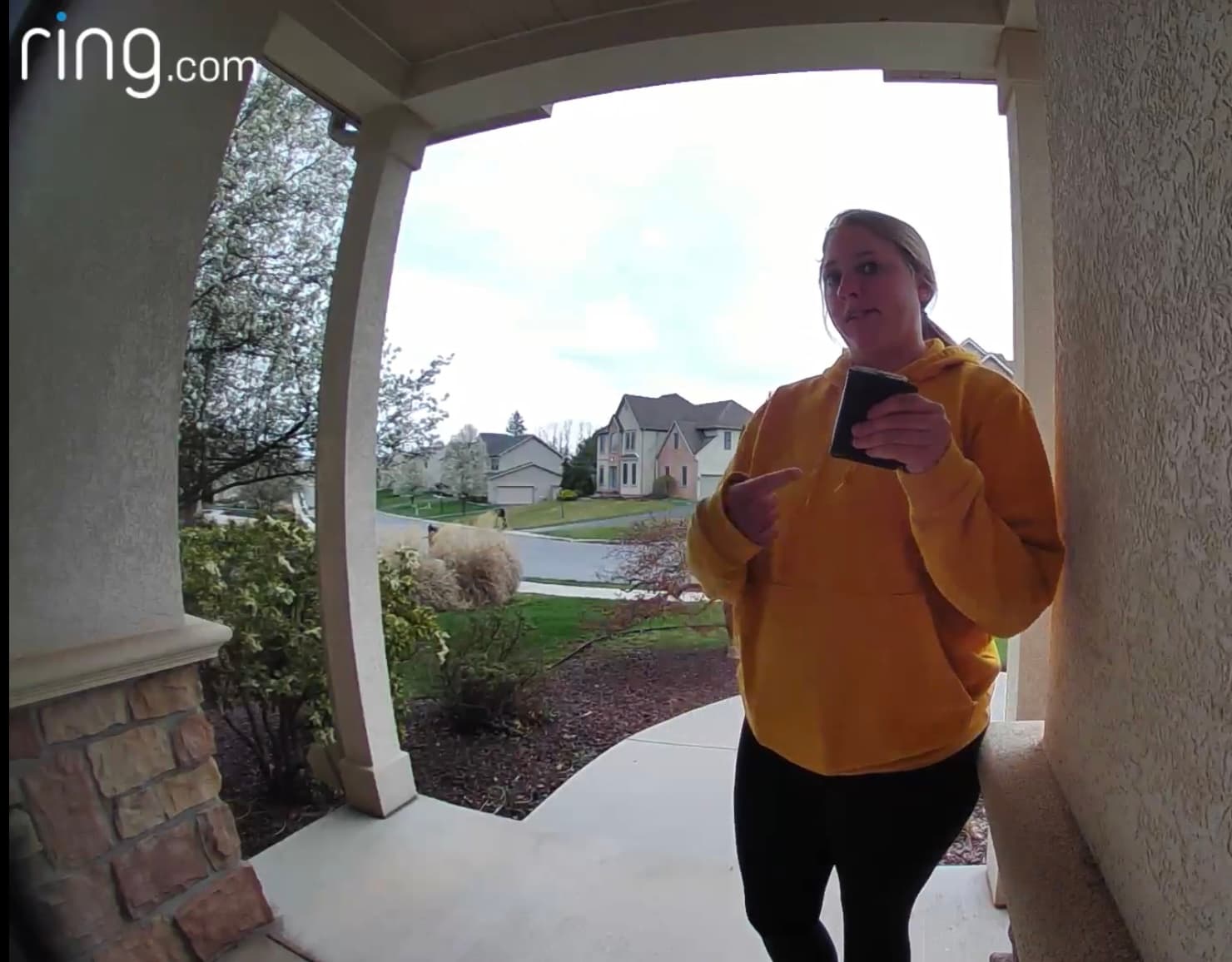
Making sure Brooke got the recognition she deserved became the adventure of a lifetime — and it moved Kevin to found Kindness Worldwide, with a vision “to create a culture of kindness in communities throughout the world.” When it launched on November 9, 2023, Brooke Dubs was finally recognized. No longer “just the blurry face.”
Never doubt that a small group of thoughtful, committed citizens can change the world. Indeed, it is the only thing that ever has.
The ripples from Brooke’s one simple act are still spreading. ROK is one of them.
A parallel path
Meanwhile, the same idea was already rippling through someone else.
Film producer, philanthropist, and serial entrepreneur Peter Samuelson had been teaching kindness to teenage foster youth since 2012. Through First Star — which runs academies for foster kids in grades 9 through 12 on university campuses across the US and UK — he watched young people whom life had dealt a brutal hand find meaning, purpose, and self-worth by helping others.
In Peter’s words
In our Academies, I teach a short empathy curriculum. I tell our Scholars — street-hardened as most are by abuse and neglect — that giving is the highest, noblest instinct we have. It lifts us up; more than anything else, it’s what makes the world turn.
I start with a question: if Darwin was right and the world is a ruthless jungle where only the fittest survive, why is anyone ever kind? Why does someone passing a stranger asleep on the sidewalk quietly slip a five-dollar bill under their arm?
We talk about the Golden Rule — the same sense of fairness found in the scriptures of all 170 of the world’s religions — and ask: is it only religious? Or is it physics? In any closed system — an engine, a garden, a family, a city, a planet — energy left unapplied decays into chaos. The engine seizes. The garden fills with weeds. The city is overrun.
Generosity is the energy we apply.
Then we go from theory to practice. Each Scholar is told an anonymous donor has put up $200 for them to give away. The rules are strict: you can’t give it to yourself, and you can’t trade it back and forth.
“It takes $70 at the humane shelter to stop them killing a stray dog, so I can save three dogs — because the last time I was there, I looked into the eyes of a puppy that had been badly beaten, and I saw my own eyes, because I was badly beaten too.”
A Scholar named Karl
“I’m giving $200 to this Academy,” Karl wrote, “because after I was expelled, I was given a second chance and let back in — and nobody ever gave me a second chance before that.” We told him that benefited him personally, against the rules. So he rewrote it: “The rules won’t let me give it to my own Academy, so I’m giving it to First Star New Jersey.”
We sent the check. Sixty students there each wrote Karl a thank-you note. Karl became our class president.
That’s when I realized: ROK isn’t just a program for foster kids. It’s for all of us. Here we go!
Building the bridge
The 2000 film Pay It Forward started the same ripple in both men — that a contagion of kindness doesn’t have to be fiction. With the right people and a real plan, it could be built.
In January 2026, podcaster Steve Ramona introduced Kevin and Peter. ROK is the platform built to carry their shared vision.
Helping people swim the river is great. But what if we built a bridge?
Kindness, democratized
ROK launches alongside the 250th anniversary of the American Revolution and the signing of the Declaration of Independence — and in that spirit, it democratizes kindness. Affluent or struggling. A famous face or “just a blurry face.” On ROK, everyone is a Champion of Kindness: seen, recognized, and celebrated for acts big and small.
Those about to ROK, we salute you.
Do your first kind act